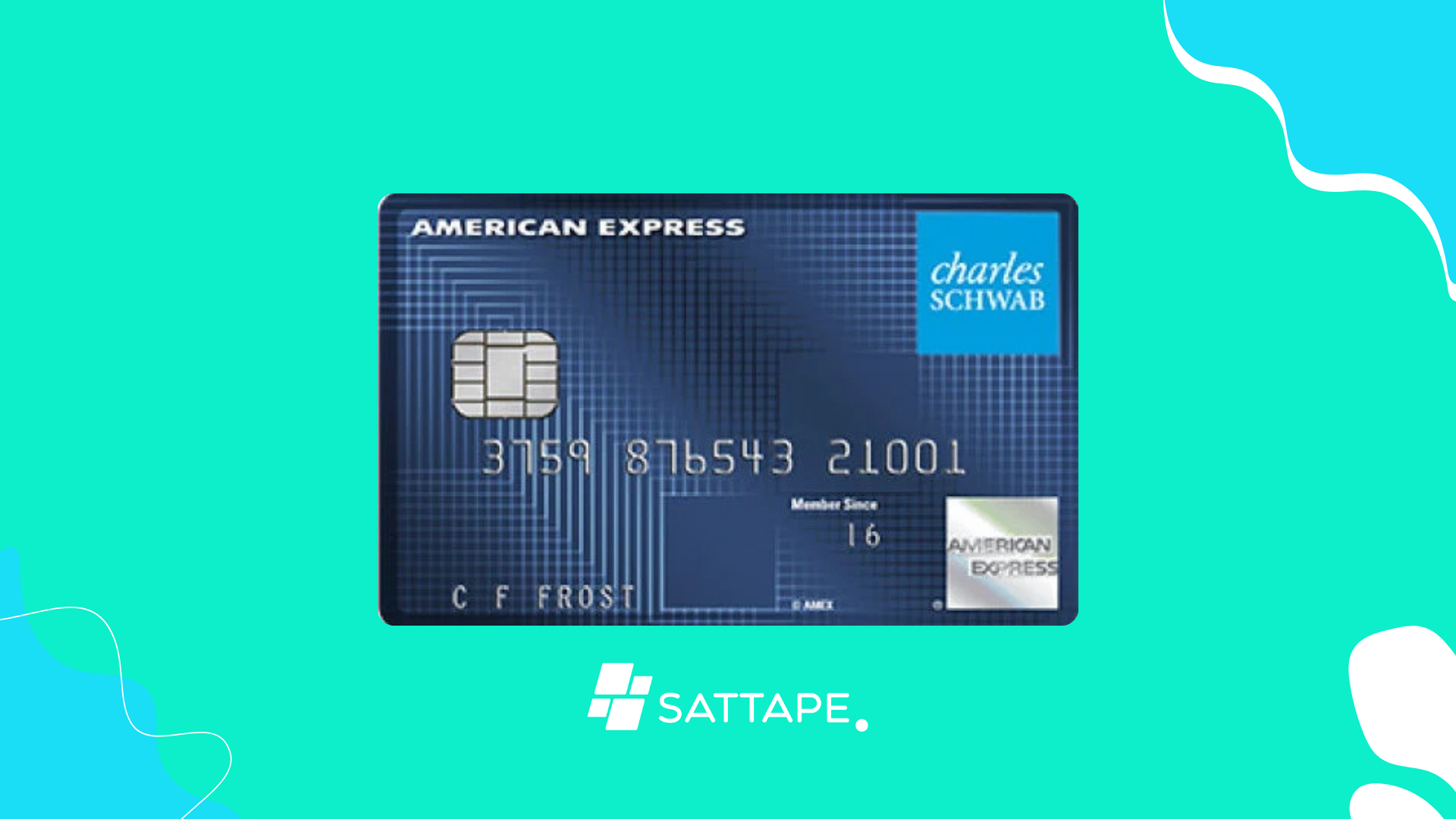
Consumers in the United States are increasingly looking for ways to integrate financial tools with personal well-being, and a credit card that offers meaningful health perks has become an attractive option. As medical spending, fitness costs, and self-care expenses continue to rise, many people are turning to reward programs that ease the burden while encouraging better habits.
Page Contents
ToggleExpanding wellness incentives
Financial institutions have begun to explore partnerships that go beyond traditional cash-back systems, offering incentives directly tied to healthier living. These programs often feature partial reimbursements for gym access, premium upgrades in fitness apps, or monthly credits designed to lower the cost of maintaining an active routine.
Some issuers broaden the concept by including benefits for nutrition platforms or stress-reduction services. Together, these offerings create a more holistic ecosystem, one that encourages cardholders to view their well-being not as an occasional splurge but as a sustained practice supported by their everyday spending choices.
Support for therapeutic services
A particularly notable development is the inclusion of mental health in reward frameworks. While older programs focused heavily on physical activity, newer models acknowledge the growing demand for therapy and emotional support. Certain issuers now collaborate with licensed counseling networks or digital therapy providers, allowing users to receive fee reductions or statement credits that make treatment more accessible.
These options help break down cost barriers that have historically limited access to mental health care. By reducing out-of-pocket expenses, they allow more individuals to explore ongoing counseling or try different modalities such as cognitive behavioral therapy, mindfulness-based sessions, or virtual group support. For many cardholders, these benefits also offer the flexibility to transition between in-person and remote services, making it easier to stay consistent even when schedules or personal circumstances shift.
A path toward long-term value
The future of well-being-oriented rewards will likely emphasize personalization and integration. As consumer expectations evolve, people may seek flexible benefits that adapt to changing goals—whether recovering from an injury, managing chronic conditions, or exploring new fitness modalities. Card networks and issuers that embrace these nuances can strengthen long-term loyalty while empowering users to make healthier choices without feeling financially strained.
Ultimately, as wellness becomes a central pillar of modern life, the blending of financial tools with self-care opportunities offers a meaningful way to support both physical and emotional resilience. This shift signals more than a temporary trend; it reflects a deeper recognition that sustainable health requires consistency, accessibility, and encouragement.
👉 You may also be interested in: M&T Visa Signature Credit Card: simple cash back with 0% intro APR.