Politics may seem distant from your personal finances. Elections happen in other countries, governments negotiate trade agreements, central banks change interest rates, and international conflicts develop thousands of miles away.
But the global economy is deeply interconnected.
A political decision in one country can affect the price of oil, the value of currencies, interest rates, stock markets, imported products, employment, and even the cost of groceries.
For Americans, understanding this connection can make it easier to understand why financial markets sometimes move suddenly and why everyday expenses can change even when nothing significant appears to have changed in their personal lives.
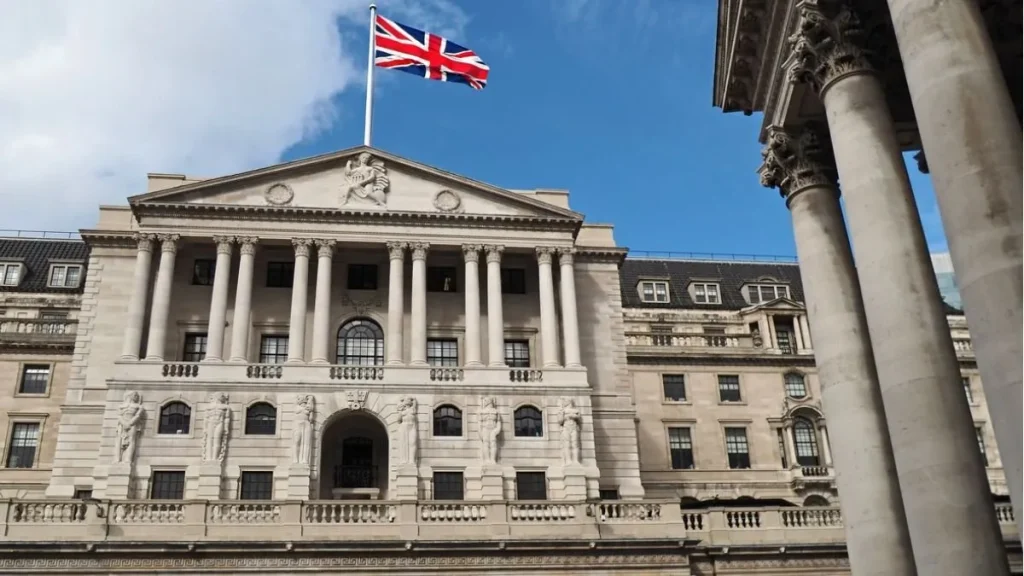
Why Does World Politics Affect Personal Finances?
Modern economies depend on international trade, financial markets, energy markets, supply chains, and currencies.
When governments change trade policies, impose tariffs, enter conflicts, introduce new regulations, or change fiscal policies, businesses and investors can react.
Those reactions can eventually affect consumers.
The International Monetary Fund has highlighted geopolitical tensions, trade fragmentation, commodity prices, financial conditions, and supply-chain disruptions as important channels through which global political events can affect economic activity.
This means that international politics is not simply a subject for governments and economists. It can become a personal finance issue.
How Wars Can Affect Your Wallet
Wars can have economic consequences far beyond the countries directly involved.
One of the most important channels is energy.
If a conflict disrupts oil or natural gas supplies, energy prices can rise. Higher energy costs can then affect transportation, manufacturing, electricity, food production, and other parts of the economy.
The IMF has reported that geopolitical disruptions can increase commodity prices and inflation while tightening financial conditions.
For an American household, this could appear as higher gasoline prices, more expensive airline tickets, higher shipping costs, or increased prices for products that depend heavily on energy.
Oil Prices Can Affect Much More Than Gasoline
When people hear that oil prices are rising, they often think only about filling up their cars.
The impact can be much broader.
Oil is connected to transportation, manufacturing, logistics, plastics, chemicals, and many other industries.
When energy becomes more expensive, companies may face higher operating costs.
Some businesses absorb those costs. Others pass part of them on to consumers through higher prices.
The IMF has estimated that persistent oil-price increases can contribute to higher global inflation and lower economic output, although the actual impact depends on the size and duration of the shock.
Trade Wars and Tariffs
Another major connection between politics and personal finances is international trade.
Governments sometimes impose tariffs on imported goods as part of broader trade policies.
Tariffs can increase the cost of importing products or components. Depending on how businesses respond, some of those additional costs may eventually be reflected in consumer prices.
This can affect everything from electronics and automobiles to industrial equipment and household products.
The IMF has identified changing trade policies and trade fragmentation as important risks to global economic growth and inflation.
For American consumers, this means that a political decision involving international trade can eventually appear as a higher price at a store.
How Politics Can Affect Interest Rates
Interest rates are another important connection between global events and personal finances.
Central banks respond to economic conditions, including inflation and economic growth.
If geopolitical events contribute to higher energy or food prices and inflation becomes more persistent, monetary policymakers may have less room to reduce interest rates.
Higher interest rates can affect borrowing costs.
Mortgages, auto loans, credit cards, personal loans, and business financing can all be influenced by the broader interest-rate environment.
The IMF has noted that geopolitical shocks can contribute to tighter financial conditions and higher borrowing costs.
Your Mortgage Can Be Affected by the Global Economy
Someone might wonder what a conflict overseas has to do with their mortgage.
The connection is indirect, but important.
Global economic conditions can influence inflation expectations, bond yields, and monetary policy.
Those factors can influence borrowing costs in the United States.
If financing becomes more expensive, people looking to buy homes may face higher monthly payments, while existing homeowners with certain types of adjustable-rate debt may also be affected.
This is one reason financial decisions cannot always be evaluated independently from the broader economic environment.
The Stock Market Can React to Political Events
Investors constantly evaluate economic and political risks.
When a major geopolitical event occurs, investors may reassess the potential profitability of companies, industries, or entire economies.
That can lead to significant movements in stock prices.
For example, companies heavily dependent on international supply chains may react differently from companies focused primarily on domestic markets.
The IMF has reported that geopolitical risk can affect investment, consumption, financial markets, and economic growth.
However, a market reaction does not necessarily tell you what will happen over the long term.
Markets can move sharply in response to news and later reverse those movements as investors receive more information.
What Happens to the U.S. Dollar?
The U.S. dollar is particularly important because it plays a major role in international finance and trade.
During periods of global uncertainty, investors may increase demand for dollar-denominated assets.
The IMF has noted that geopolitical risk can affect exchange rates and that the U.S. dollar has historically displayed safe-haven characteristics during periods of heightened risk aversion.
A stronger or weaker dollar can affect Americans in different ways.
A stronger dollar can make many imported goods and international travel relatively less expensive for Americans.
At the same time, currency movements can affect U.S. companies that earn significant revenue overseas.
International Travel Can Become More Expensive
World politics can also affect your travel budget.
Currency movements, fuel prices, international demand, and geopolitical disruptions can all influence the cost of flights, hotels, transportation, and other travel expenses.
If the U.S. dollar weakens against the currency of the country you are visiting, your spending power abroad can decline.
If the dollar strengthens, the opposite can happen.
This is one reason travelers sometimes pay attention to exchange rates even when they are not investors.
Your Investments May Be Affected by Foreign Events
Americans increasingly have exposure to international economies through mutual funds, ETFs, retirement accounts, and individual investments.
That means an event outside the United States can affect part of your portfolio.
International investments may be influenced by currency movements, political instability, trade restrictions, economic sanctions, interest rates, and changes in local economic growth.
This does not mean international investing should automatically be avoided.
It simply means investors should understand that diversification across countries also introduces exposure to international political and economic developments.
Inflation Is One of the Biggest Ways Politics Reaches Your Budget
For most households, inflation is one of the most noticeable connections between the global economy and personal finances.
If geopolitical tensions disrupt energy, food, transportation, or supply chains, companies may face higher costs.
Those costs can eventually influence consumer prices.
The IMF’s 2026 analysis has specifically linked geopolitical shocks and supply disruptions to higher commodity prices and inflationary pressure.
For a household, inflation means that the same amount of money may buy fewer goods and services.
That is why inflation matters even to people who have no investments at all.
Your Salary Can Also Be Affected
Politics can influence the economy, and economic conditions can influence businesses.
If companies face higher costs, weaker demand, or disruptions to international trade, they may adjust hiring, wages, investment, or expansion plans.
On the other hand, certain industries can benefit from changes in government policy, increased investment, or new demand.
This means political developments can indirectly influence employment opportunities and income growth.
The relationship is complex, however, and a political event does not automatically produce the same result for every worker or industry.
Government Debt and Your Finances
Government finances can also affect households.
When governments borrow heavily, changes in interest rates and investor demand for government debt can influence borrowing conditions more broadly.
The IMF has highlighted high public debt and elevated borrowing costs as important challenges facing economies around the world.
Government fiscal decisions can also influence taxes, public spending, infrastructure investment, and economic growth.
For individuals, this means government budgets can eventually have consequences for both income and expenses.
Should You Change Your Investments Every Time Politics Changes?
This is where many investors can make a mistake.
Following every political headline and immediately changing your portfolio can turn long-term investing into a series of short-term reactions.
Markets respond to expectations, and political developments are often unpredictable.
Instead of trying to predict every event, investors can consider whether their portfolio matches their financial goals, time horizon, and tolerance for risk.
Diversification can also help reduce dependence on a single company, industry, country, or economic scenario.
Build Financial Resilience
You cannot control what governments do, whether another country enters a conflict, or how financial markets react.
You can control how prepared your personal finances are.
An emergency fund can provide a financial cushion.
Managing high-interest debt can reduce vulnerability to rising borrowing costs.
Diversifying investments can reduce concentration risk.
Maintaining appropriate insurance can protect against certain unexpected expenses.
Developing more than one source of income may also provide additional resilience.
These strategies do not eliminate the effects of global events, but they can make your finances less vulnerable to individual shocks.
Keep Politics Separate From Financial Panic
Being informed about world politics is useful.
Making financial decisions based on fear is something different.
A dramatic headline can make an event appear more immediate and permanent than it actually is.
Financial markets can move quickly, but personal financial plans should generally be built around longer-term objectives.
Instead of asking, “What should I buy because of today’s political news?” a more useful question may be, “Is my financial plan prepared for different economic scenarios?”
That change in perspective can help reduce emotional decision-making.
What Should Americans Watch?
You do not need to follow every political event happening around the world.
For personal finance purposes, it can be more useful to pay attention to a few major economic channels.
Inflation affects purchasing power.
Interest rates affect borrowing and saving.
Energy prices affect transportation and many consumer goods.
Trade policy affects imported products and supply chains.
Currency movements affect international purchases and investments.
Economic growth affects employment and business conditions.
Government fiscal policy can influence taxes, spending, debt, and the broader economy.
Understanding these connections is often more valuable than trying to predict individual political events.
Politics Can Create Risks and Opportunities
Political changes do not only create negative consequences.
Government investment, infrastructure programs, trade agreements, technological policies, energy policies, and regulatory changes can create opportunities for businesses and workers.
Certain industries may benefit from increased investment or changes in government priorities, while others may face greater costs or restrictions.
This is why the relationship between politics and finance is rarely as simple as “good” or “bad” for the economy.
The effects depend on the specific policy, the industries involved, the country, and the broader economic environment.
The Most Important Thing Is What You Can Control
You cannot control global politics.
You can control your spending.
You can control how much debt you take on.
You can build an emergency fund.
You can choose how diversified your investments are.
You can decide how much financial risk you are comfortable taking.
You can continue developing skills that may increase your earning potential.
These decisions may seem small compared with international political events, but they have a direct impact on your financial resilience.
Final Thoughts
World politics can affect personal finances through many different channels.
Wars can disrupt energy and commodity markets. Trade policies can affect prices and supply chains. Geopolitical uncertainty can influence currencies and financial markets. Inflation can reduce purchasing power, while changes in interest rates can affect mortgages, credit cards, loans, and savings.
The IMF and other international institutions continue to identify geopolitical tensions, trade fragmentation, commodity prices, and financial conditions as important forces shaping the global economy in 2026.
For an individual, the goal is not to predict every geopolitical event.
It is to understand how major events can reach the household budget and investment portfolio, and to build a financial structure that can withstand different economic environments.
You may not be able to control what happens in Washington, Beijing, Brussels, or anywhere else in the world.
But you can control how prepared your own finances are when the world changes.